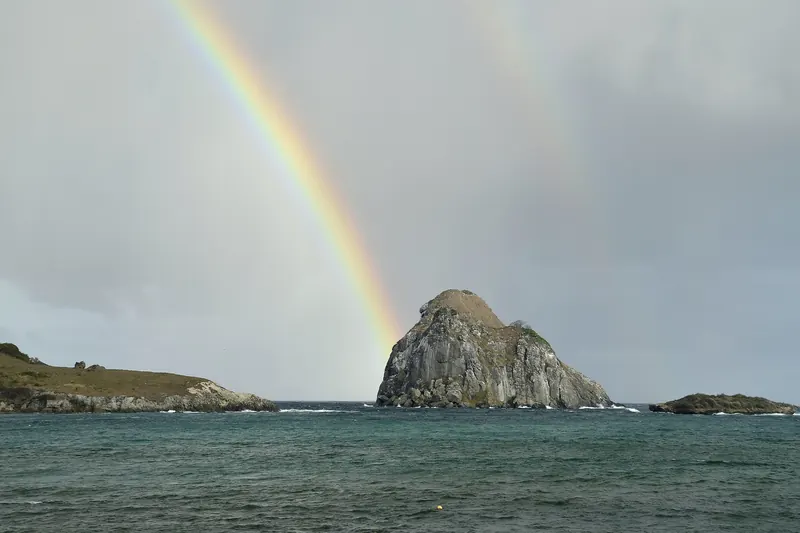
Sueste fort and viewpoint
Short trail (560 m) from the Sueste PIC to the ruins of the Forte de São Joaquim, with views of the bay and the mangrove.
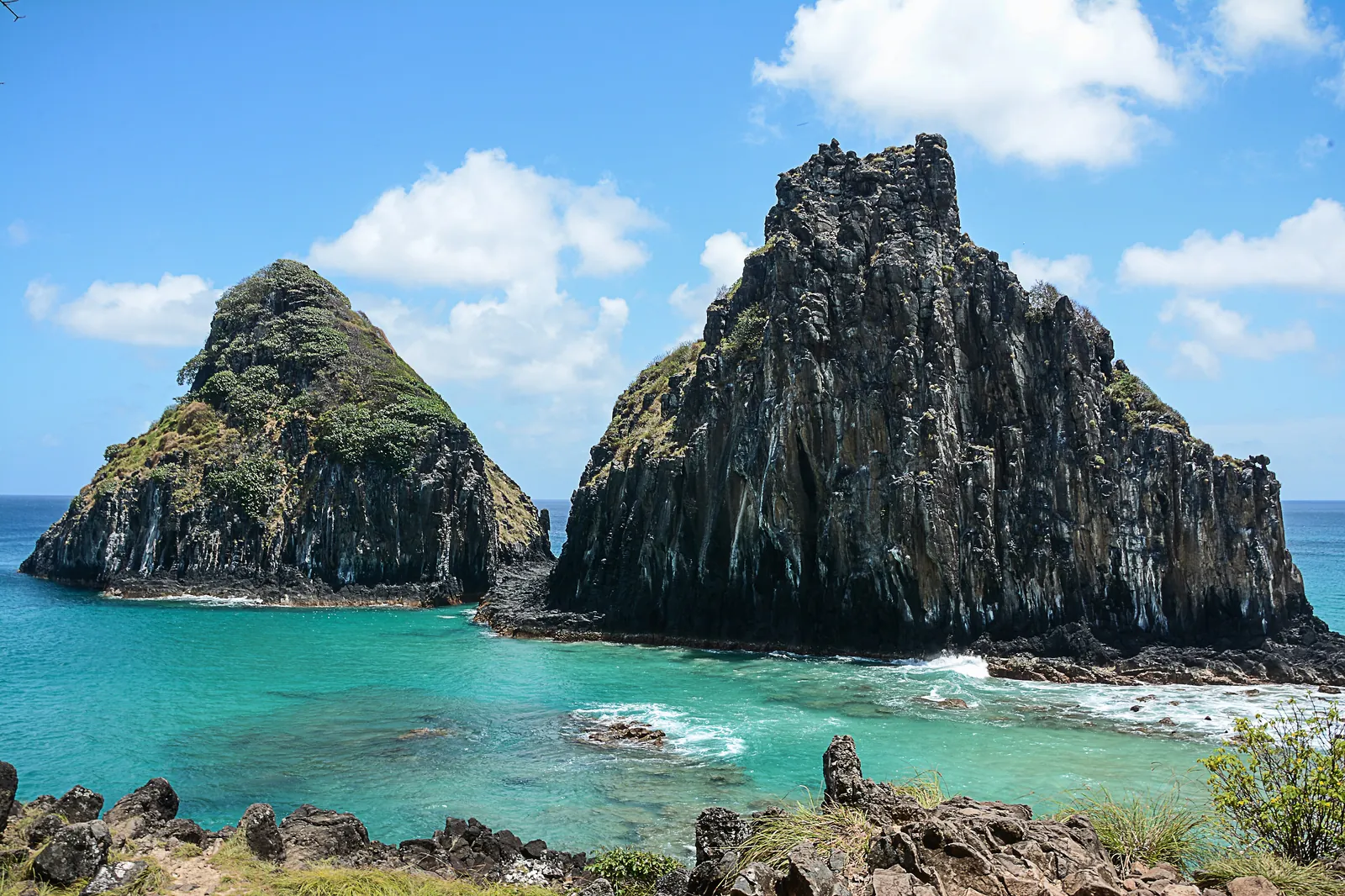
Viewpoints, forts, sunrise and sunset, history and the wildlife that makes the island a sanctuary.
A 282 m elevated boardwalk connecting the two most photographed viewpoints on the island. Go early, when the light hits the bay.
See page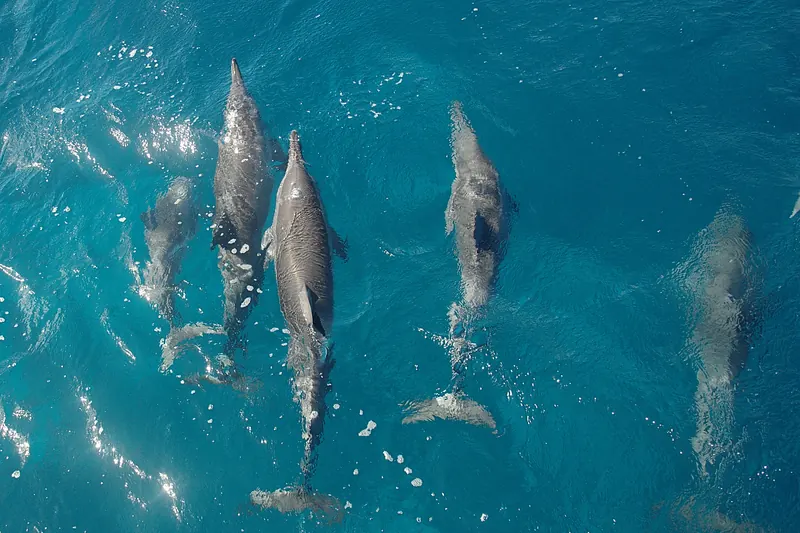
Spinner dolphins usually enter the bay at dawn to rest. Boardwalk of about 1 km. Frequent sightings, but not guaranteed.
See page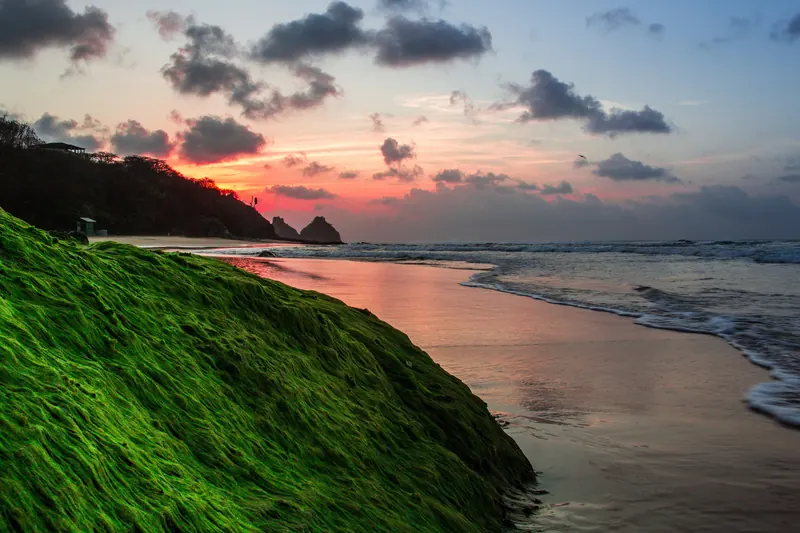
Ruins of the Forte de São Pedro do Boldró with Dois Irmãos on the horizon. This is where the Ilha Tour ends, with a bar, music and a swing for photos.
See page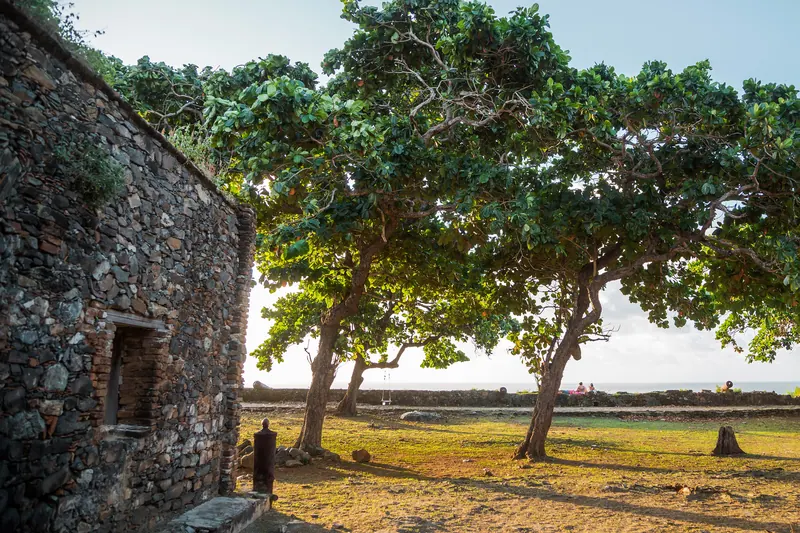
The island's largest Portuguese fort (1737) has reopened with an immersive museum, sunset with music and the Paiol restaurant. Ticket R$ 100 (single price on the official website), valid for 10 consecutive days; package with the Park for R$ 292. Closed on Mondays.
See page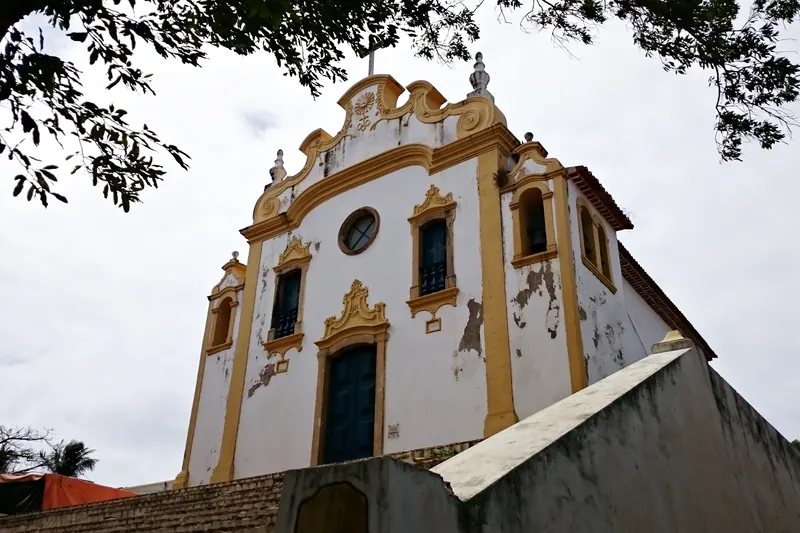
The little town center: Igreja de N. S. dos Remédios church (1772), Palácio São Miguel (seat of the administration), Memorial Noronhense, bars and restaurants.
See page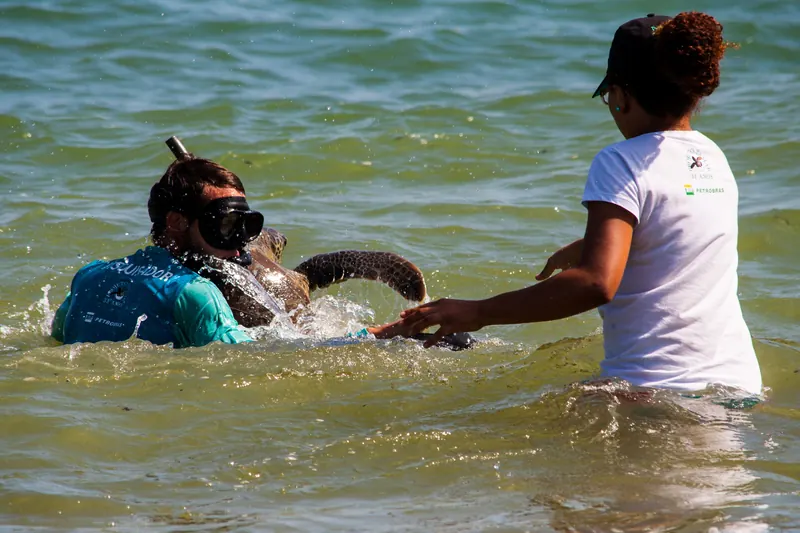
Visitor center in Boldró with an exhibition on turtles and free talks every day at 8pm. Great with children and on rainy days.
See page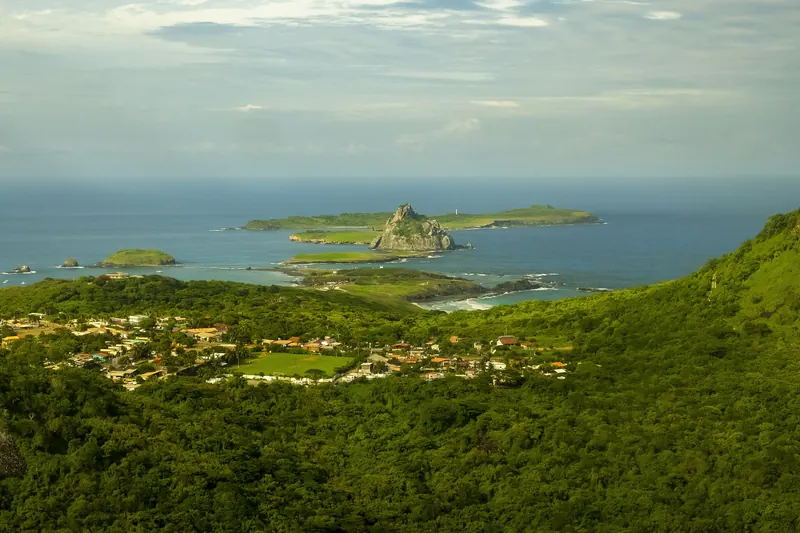
Rock formation on Ilha Rasa, at the end of the road to the Museu do Tubarão. The best sunrise on the island; swimming prohibited.
See pageShort trail (560 m) from the Sueste PIC to the ruins of the Forte de São Joaquim, with views of the bay and the mangrove.
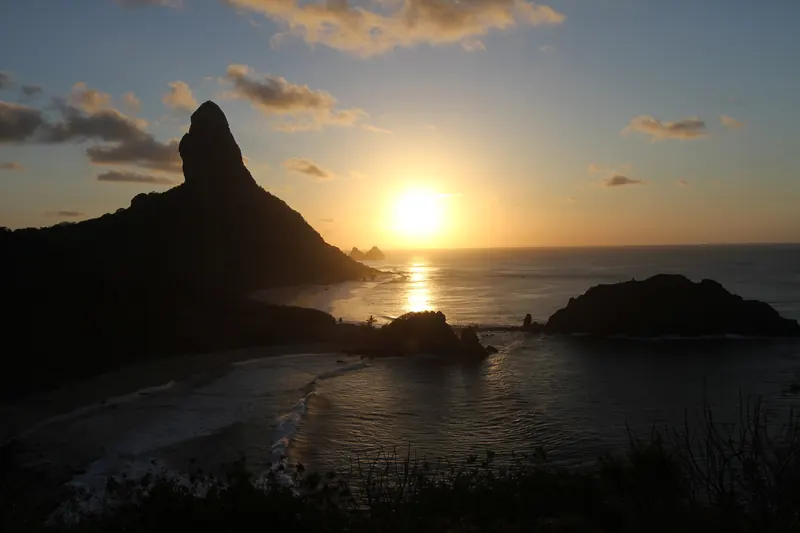
The highest point (323 m) and the postcard landmark visible from almost the entire island. You cannot climb the Pico itself, but the Piquinho trail (400 steep meters) gets very close.
See pageAt Porto de Santo Antônio, a small low-cost museum with shark jaws, curiosities and a restaurant famous for its shark fritters.
See page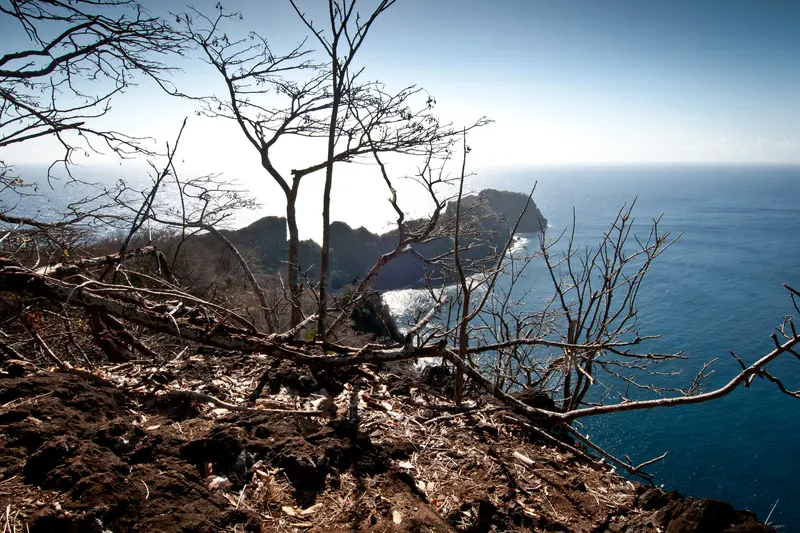
The southwestern tip of the archipelago, visited only by boat. Cliffs, caves and the passage between the rocks that closes the boat trip.
See page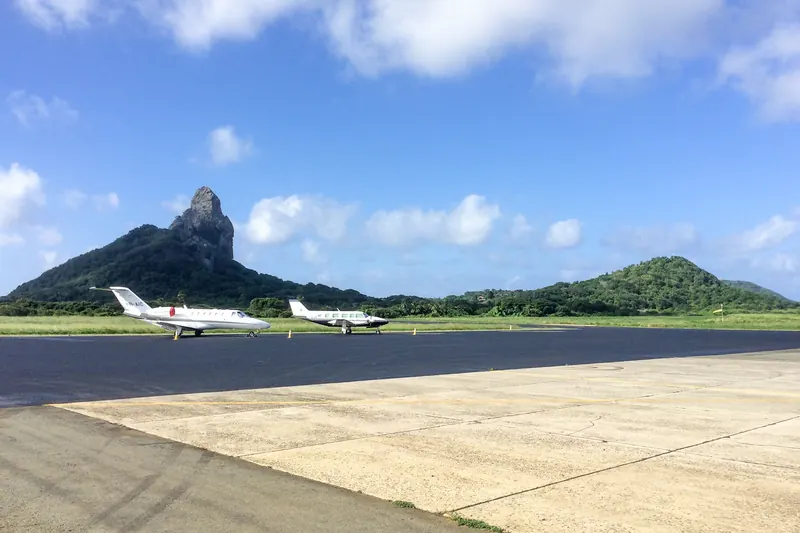
Monument on the Sueste road in memory of flight 447 (2009). A quiet stopping point with views over the Mar de Fora.
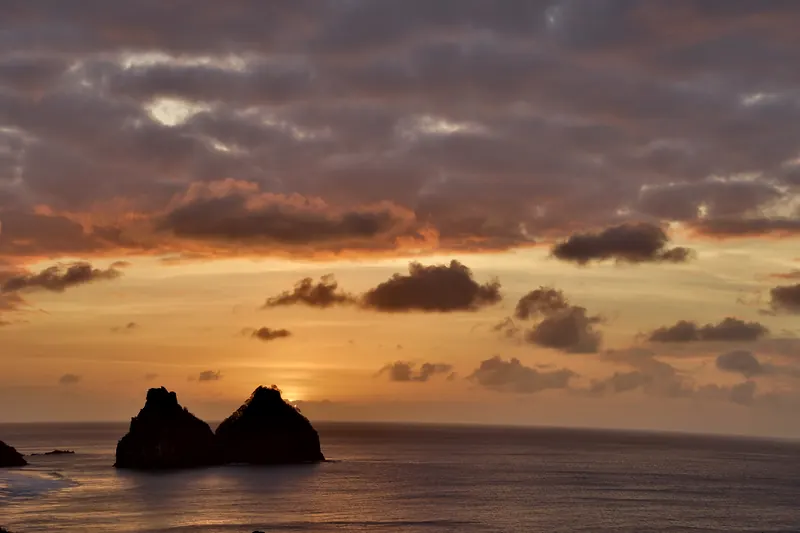
| Most beautiful | Forte do Boldró: the sun sets with Dois Irmãos in the background. Free; arrive 40 minutes early. |
| Easiest and with children | Praia da Conceição: on the sand, with Morro do Pico, bars and a short trip back. |
| Most romantic | Bar do Meio (cover charge from 6pm) or a boat at dusk. |
| For photography | The Sancho and Dois Irmãos viewpoints, along the boardwalks. |
| Most peaceful | Praia do Bode, with a deserted-beach feel. |
| With facilities | Forte Noronha, with music, museum and restaurant (paid). |
| Adventure | Morro do Piquinho, a short, steep trail. |
The sun sets around 5:30pm to 6pm, island time. A band of clouds often hides the sun before it reaches the sea; the best colors usually come 10 to 15 minutes later. Don't leave early.
Don't touch, feed or chase animals: in 2025 a tourist was fined R$ 10 thousand for touching a turtle. Collecting shells, coral or rocks also gets you fined.
1503. The expedition financed by Fernão de Loronha sights the archipelago, which takes the navigator's name and becomes Brazil's first hereditary captaincy.
17th and 18th centuries. The Dutch and the French occupy the island for periods. In 1737 Portugal builds ten forts to secure possession; the largest of them, N. S. dos Remédios, still dominates the Vila.
1938 to 1942. A political prison under the Estado Novo and then an American military base during World War II, when the runway that today receives commercial flights is opened.
1988. Creation of the Marine National Park, which protects 70% of the territory and the surrounding sea. Noronha becomes a district of Pernambuco again.
2001. UNESCO declares the archipelago, together with the Atol das Rocas, a World Natural Heritage Site. Since then tourism has been controlled through fees, visitor limits and strict conservation rules.
The Ilha Tour covers almost all of these spots in one day. See how it works and how much it costs.