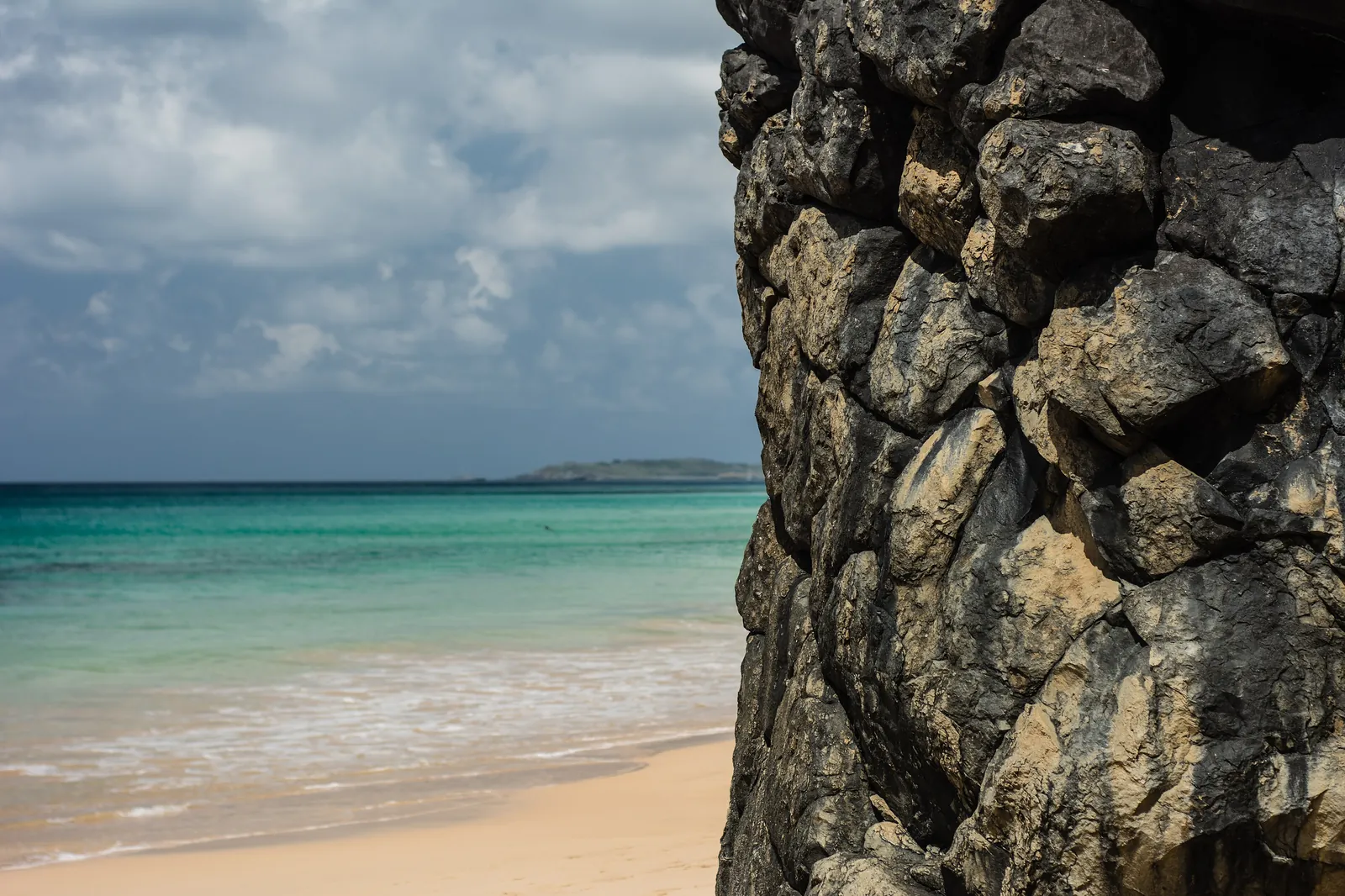
Surfing in Fernando de Noronha
From November to March, North Atlantic swells reach the Mar de Dentro and make Noronha one of the most famous surf destinations in Brazil. Here is where, when and who it is for.
Why Noronha draws surfers
Almost the entire Brazilian coast gets swells from the south. Noronha is different: its main swell comes from North Atlantic storms, arriving from the north and northwest between November and March.
These swells hit the Mar de Dentro, which is sheltered from the southeast trade winds that blow offshore there. The result is powerful, well-organized waves in 26 to 28 °C water, with Morro Dois Irmãos in the background. The island's own Administration calls Cacimba do Padre the "Brazilian Hawaii".
Cacimba hosted the Hang Loose Pro Contest, a world qualifying tour event, from 2000 to 2012 and again in 2019, 2020 and 2023, when Lucas Silveira took the win. No event has been confirmed for 2024 to 2026: check whether there will be a contest in the year of your trip.
Best time to surf Noronha
The wave season runs from November to March. The peak is usually December to February, and forecast data shows February as the month with the most clean surf days at Cacimba. Sources differ at either end: some say mid-October, others stretch it into April.
From April to October the Mar de Dentro is calm on most days, great for diving and swimming but with little surf. Off-season swells do happen; you just can't plan your trip around them.
Surf season coincides with the high season and New Year's Eve, so book flights and your pousada early. Compare it with other travel goals in when to go.
Mar de Dentro and Mar de Fora: where the waves are
The Mar de Dentro is the coast facing the mainland, to the northwest. That is where the north swells break and where the southeast wind blows offshore, grooming the waves. All the classic breaks are on this side.
The Mar de Fora faces the trade winds. During surf season it usually gets little swell, and the rest of the year it is the side most churned up by the wind. For non-surfers, it is the plan B when the Mar de Dentro has swell: Baía do Sueste and Praia do Leão.
The breaks: Cacimba do Padre, Bode, Boldró, Conceição and Porto
- Cacimba do Padre: the most famous break. A beach break with sandbars peeling both ways and an outside reef that holds big waves, over 3 m on the best days. Hollow, fast and powerful waves, with currents. For experienced surfers.
- Laje do Bode: a hollow right over a rock and sand bottom, at Praia do Bode. Advanced surfers only.
- Boldró: a fast, hollow wave over a shallow coral and rock bottom, usually best at low tide. The risk of getting cut is real. For experienced surfers.
- Conceição: a beach break near Vila dos Remédios, with smaller waves than Cacimba and beach bars on the sand. The go-to option for smaller days and for surfers still progressing.
- Porto (Abras): a left that needs a big north swell to work, over a rock and sand bottom. Intermediate to advanced.
Other names show up in surf guides, such as Biboca, Meio and Cachorro, but without reliable information. On the island, ask the locals before trying an unfamiliar break.
Swell, wind and tide
Swell: what matters is the north and northwest swell. Each swell usually lasts a few days and changes in size and direction from one day to the next.
Wind: the southeast trade winds blow offshore on the Mar de Dentro and tend to ease between December and March. A shift in wind direction changes everything, even within the same day.
Tide: there are two high and two low tides a day, with a range of just over a meter. According to local surfers and guides, Cacimba, Bode and Conceição usually work best on a higher tide, and Boldró at low tide. The tide also decides your visit to Baía dos Porcos, which only opens at low tide.
Who it is for: beginner or experienced
In season, the main breaks are for experienced surfers. Cacimba, Laje do Bode and Boldró have powerful waves, a hard bottom in places and currents.
If you are learning, Conceição on a small day is the most often recommended option, ideally with an instructor. Off season the Mar de Dentro is calm and almost flat, so Noronha is not a destination for learning to surf from scratch.
If you are somewhere in between, watch the sea from the sand before paddling out, start on the smaller days and never surf alone.
Safety: currents, reef and sharks
Waves in season can get big overnight. Cacimba has rip currents, and Boldró and the reefs have shallow coral and rock. Don't count on lifeguards at the beaches.
There are records of shark incidents in Noronha, including with surfers at Cacimba and Bode: the state monitoring committee counted 10 cases between 2015 and 2022, none fatal. Avoid murky water, dusk and surfing alone, and follow any warnings from the authorities on the beach.
Hospital São Lucas handles emergencies and SAMU is 192. Serious cases are flown out to Recife, so travel with insurance that covers sports and air evacuation. See more in tips and safety.
How to check conditions before paddling out
There is no fixed wave forecast: size, wind and tide change every day. Before each session, check these sources:
- Brazilian Navy tide tables (Fernando de Noronha port, Baía de Santo Antônio).
- Wave and wind forecast for Cacimba do Padre on Surfline, Surf-Forecast and Waves.
- Wind and weather on Windy.
At the beach, watch the sets for a few minutes and talk to someone who just came out of the water. Local knowledge beats any forecast.
Boards, lessons and rentals
Regular surfers usually bring their own board. It travels as special baggage, with size, weight and fee rules set by each airline: see the step-by-step guide on how to fly to Noronha with a surfboard.
Surf lessons and board rentals on the island change from one season to the next and depend on there being waves. Ask at your pousada or at Conceição and confirm availability, price and board sizes before counting on them.
Where to stay and getting around with your board
To surf Cacimba, Bode and Boldró, staying in the Boldró area cuts down the travel. In Vila dos Remédios you can walk to Conceição and have more restaurants. Compare the areas in where to stay.
With a board, a buggy or rental car gives you more freedom to switch breaks depending on the conditions. Taxis work too; let them know you have a board. The bus is cheap, but it doesn't run often and isn't always practical with a board. See the options in getting there and around.
Environmental rules and fees
The Environmental Preservation Fee (TPA) is mandatory for all visitors, per day of stay. The main breaks (Cacimba, Bode, Boldró and Conceição) are in the APA and don't require the National Park ticket. You will need it for beaches such as Porcos, Sancho, Sueste and Leão. See prices in fees and park ticket.
Don't step on the coral, don't feed or chase animals, and take all your trash back with you. From December to June turtles nest on some beaches: respect the areas marked by Projeto Tamar.
Surfing and sightseeing on the same trip
On flat days or when the sea is blown out, enjoy the island: diving, boat trips, the trails and the Mar de Fora. The sunset at Forte do Boldró is just a few minutes from Cacimba.
Plan your itinerary with flexible days and decide on your surf session based on the day's conditions, not a fixed schedule. The ready-made itineraries include tweaks for surf trips.
Frequently asked questions
When are there waves in Fernando de Noronha?
Surf season runs from November to March, peaking from December to February, when North Atlantic swells reach the Mar de Dentro. From April to October the Mar de Dentro is usually calm, with little surf.
What is the best beach for surfing in Noronha?
Cacimba do Padre is the most famous break and has hosted world qualifying tour events. Laje do Bode and Boldró are also classics for experienced surfers. On smaller days, Conceição is the mellowest option.
Is Noronha good for beginner surfers?
Not really. In season the waves are powerful and the main breaks are for experienced surfers. If you are learning, you can try Conceição on a small day, with an instructor. Off season there are hardly any waves.
Do I need a park ticket to surf Cacimba do Padre?
No. Cacimba do Padre is in the APA and doesn't require the National Park ticket. The TPA, charged to all visitors per day of stay, is mandatory.
Are there sharks at Noronha's surf breaks?
There are records of shark incidents, including with surfers, none fatal between 2015 and 2022. Avoid murky water, dusk and surfing alone, and follow the authorities' warnings.
See also
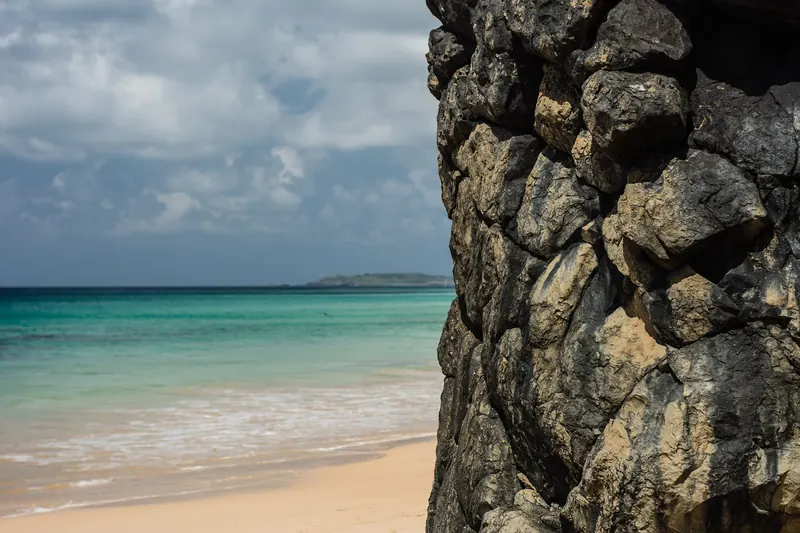
Cacimba do Padre
Cacimba do Padre is a long stretch of sand with Morro Dois Irmãos in the background. From November to March it gets the…
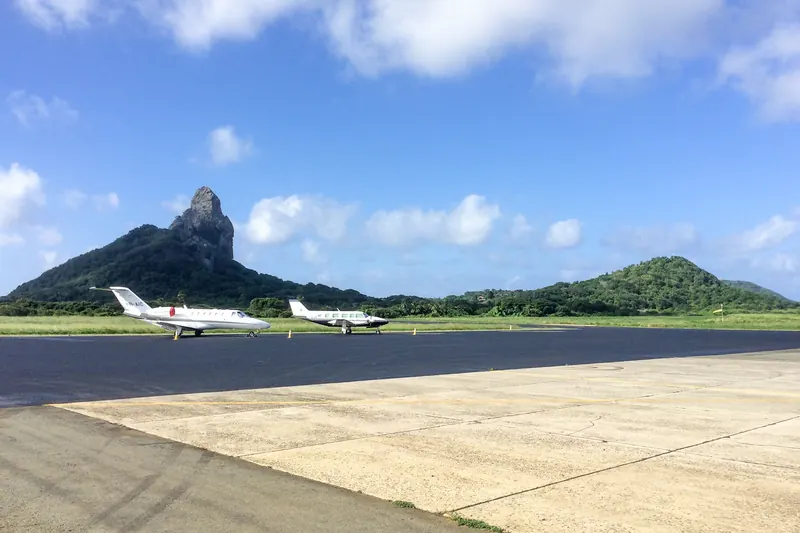
Flying to Noronha with a surfboard
Almost every visitor arrives in Noronha by plane, so your board travels as special baggage. See what the…
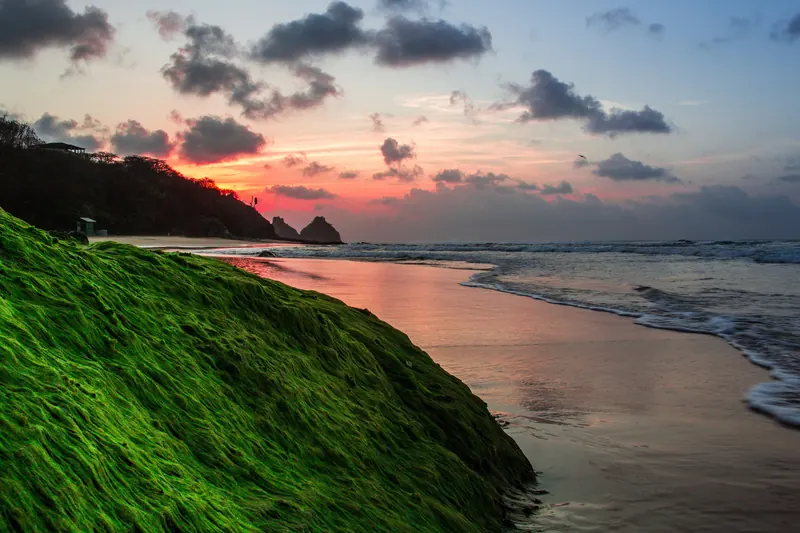
Praia do Boldró
Praia do Boldró is wide, little visited and has natural pools at low tide. Just above it is the Forte…
Praia da Conceição
Praia da Conceição is a long stretch of fine sand at the foot of Morro do Pico, with bars, walking access from the Vila…
When to go
Noronha Premium Guide: 90 pages, 9 itineraries, planner and infographic
The trip's operating manual, written by someone who took the family to the island and re-checked everything in 2026. Launching soon: join the waitlist.